


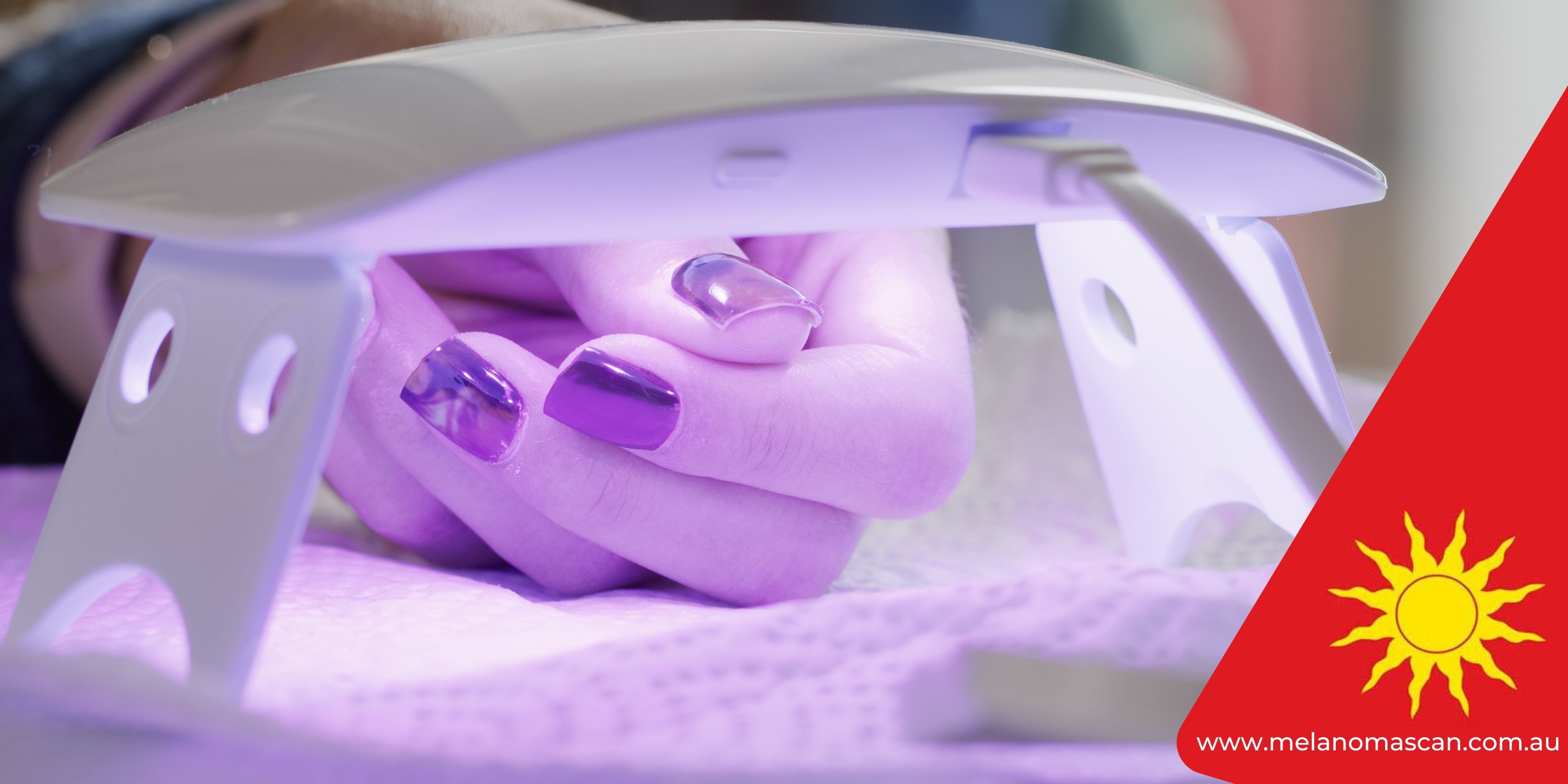
UV nail lamps have become a staple in salons and at-home manicures, offering a quick and efficient way to cure gel polish. However, concerns have emerged about their potential link to skin cancer due to the ultraviolet (UV) radiation they emit. While UV exposure is a known risk factor for skin cancer, it is important to assess how these lamps contribute to overall risk and what precautions can be taken.
Do UV Nail Lamps Increase Skin Cancer Risk?
UV nail lamps emit UVA radiation, which penetrates deep into the skin and is associated with premature ageing and DNA damage, both of which can increase the risk of skin cancer. Studies have shown that repeated exposure to UV nail lamps can lead to cumulative UV damage, similar to sun exposure. However, the level of risk depends on several factors, including the frequency of manicures, the type of lamp used, and individual skin sensitivity.
While occasional use of UV nail lamps is unlikely to pose a significant risk, regular exposure - especially without protection - could contribute to long-term skin damage and increase the likelihood of developing skin cancer.
Melanoma and UV Exposure
Melanoma is the most serious form of skin cancer, developing when the skin's pigment-producing cells (melanocytes) undergo genetic mutations due to UV exposure. While sun exposure remains the primary risk factor, artificial UV sources like tanning beds and UV nail lamps may also contribute to cumulative damage. Protecting your skin from all UV sources, including those used in nail salons, is essential in reducing your risk of melanoma.
How to Protect Your Skin During Manicures
If you enjoy gel manicures but want to minimise your risk, consider the following protective measures:
1. Apply Broad-Spectrum Sunscreen
Before using a UV nail lamp, apply a broad-spectrum sunscreen with SPF 30 or higher to your hands. Look for formulas containing zinc oxide or titanium dioxide for effective UVA protection.
2. Wear UV-Protective Gloves
Specialised UV-blocking manicure gloves are available, designed to cover the hands while leaving the nails exposed. These gloves significantly reduce UV exposure to the skin.
3. Limit Exposure Time
Choose salons that use LED lamps, which cure polish faster and emit lower levels of UV radiation compared to traditional UV lamps. While LED lamps are thought to reduce UVA exposure, any exposure to UVA on a regular basis can increase overall risk.
4. Take Breaks Between Manicures
Allow time between gel manicures to reduce cumulative UV exposure. Alternating between gel and regular polish can help lower risks while still maintaining beautiful nails.
5. Monitor Your Skin for Changes
Regularly check your hands and fingers for any new or changing spots, discolouration, or unusual growths. If you notice anything suspicious, consult a dermatologist or skin cancer specialist.
Gel Manicure and Nail Polish Safety Tips
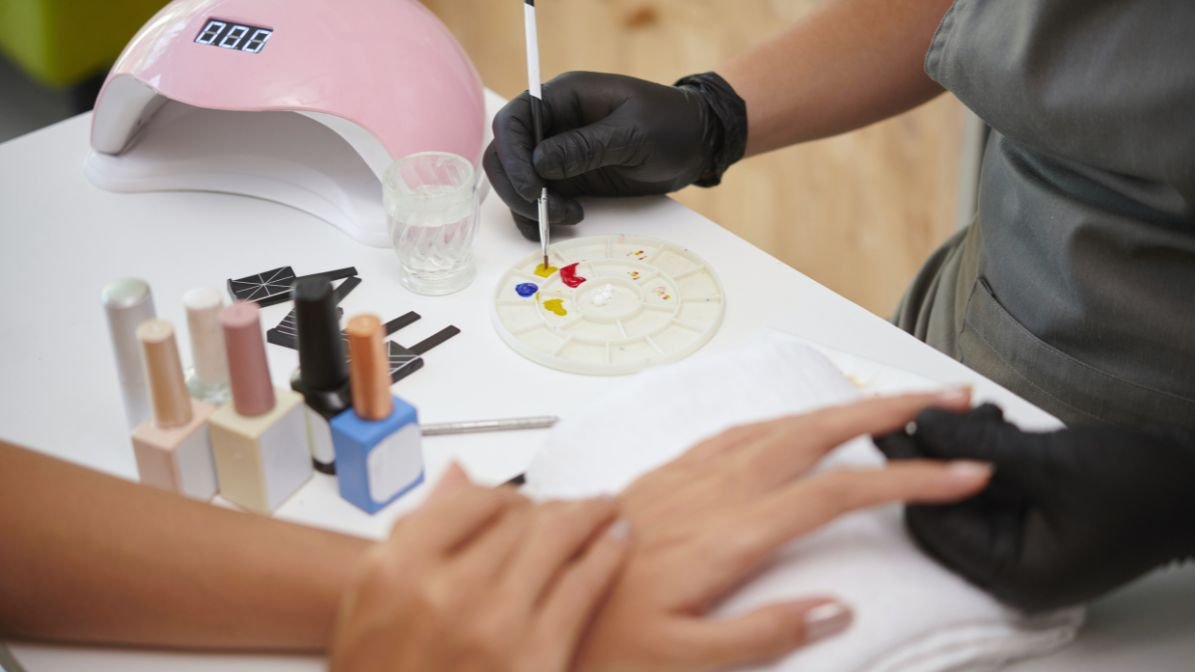
Gel manicures are popular for their long-lasting, glossy finish, but they do come with some risks. Beyond UV exposure, gel polish can weaken the natural nails over time, making them more prone to breakage. To maintain healthy nails, consider taking breaks between gel applications, using strengthening treatments, and opting for professional removal instead of peeling off polish.
Protect your hands against harmful UV light
While the risk of skin cancer from UV nail lamps remains relatively low for infrequent users, long-term and repeated exposure can contribute to skin damage. By taking protective measures such as applying sunscreen, wearing protective gloves, and limiting exposure, you can continue enjoying your manicures while keeping your skin safe.
At Melanoma Scan, we are dedicated to helping you stay informed about skin cancer risks and prevention. If you have concerns about UV exposure or need a professional skin check, book an appointment with Melanoma Scan today to ensure your skin remains healthy and protected.
 Prevention Tips
 Early Detection
 Understanding Skin Cancer
 Success Stories
 Lifestyle and Skin Health
 Advances in Treatment
 Community & Events
 For Families
 What's Happening at Melanoma Scan?
