


Treatment
-
Squamous Cell Carcinoma
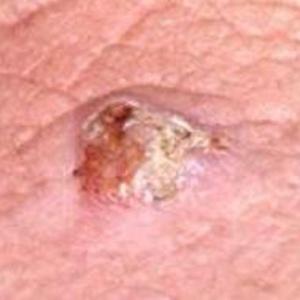
Squamous Cell Carcinoma (SCC) is the second most common skin cancer, and often occur in elderly people who have had extensive sun exposure over their lifetimes.
-
Wedge Excision
Wedge excision is a technique used to remove cancers from the edge of the lip, ear or eyelid.
-
What age do I need to have my children's skin checked?
Most children are at very low risk of skin cancers, so regular skin checks are not routinely recommended unless there are particular concerns. While skin cancers including melanoma are rare, they do occur, so if there is a mole or spot that is changing or growing at an accelerated rate, or looks odd or different to every other mole on the child’s body, then they should be checked to ensure it is not a cancer.
Protecting our Little Ones: Why Children Need Regular Skin Cancer Checks
As parents, ensuring the health and well-being of our children is paramount. One significant aspect of this care is protecting their delicate skin from potential harm. Skin cancer, although often associated with adults, is also a concern for children. Understanding the risks and taking preventive measures can play a crucial role in safeguarding our little ones.
Why is skin cancer a concern for children?
When it comes to skin cancer in children, there are specific risks that parents need to be aware of. Children can develop skin cancer, including melanoma, the most dangerous type of skin cancer. Factors such as sun exposure and a family history of skin cancer can increase the risk of developing skin cancer at a young age.
How does sun exposure contribute to skin cancer in children?
Sun exposure, especially during the high UV levels of the day, can lead to skin damage in children. Prolonged exposure to UV rays without adequate protection can significantly increase the risk of developing skin cancer later in life.
Is there a link between a family history of skin cancer and children developing it?
Children with a family history of skin cancer are at a higher risk of developing the disease themselves. Genetic predisposition can play a role in the likelihood of a child developing skin cancer, making regular skin checks even more crucial for early detection.
What role do moles play in skin cancer development?
Moles are common on the skin and usually harmless. However, they can also be a precursor to skin cancer, particularly melanoma. Regularly checking moles for any changes is essential in monitoring the risk of skin cancer in children.
Why do moles need to be checked regularly?
Regular mole checks are important because any changes in size, shape or colour can indicate potential issues. Monitoring moles can help detect early signs of melanoma and other forms of skin cancer.
Can a large number of moles increase the risk of skin cancer in children?
Having a high number of moles, especially more than 100, can indicate an increased risk for skin cancer. Children with numerous moles should undergo regular skin checks to ensure early detection and prevention of potential skin cancer.
How important is sun protection for children?
Ensuring proper sun protection for children is vital in reducing the risk of developing skin cancer. Parents play a key role in implementing sun safety measures from a young age to instill good habits that can protect their children's skin in the long term.
What are the recommended sun safety measures for children?
Recommended sun safety measures include using sunscreen with a high SPF, wearing protective clothing, hats, and sunglasses, seeking shade during peak UV hours, and avoiding tanning beds. These practices help lower the risk of skin damage and skin cancer.
How does sunscreen help in preventing skin cancer in kids?
Sunscreen acts as a barrier against harmful UV rays that can cause skin damage and increase the risk of skin cancer. Applying sunscreen regularly, especially before outdoor activities, provides added protection for children's delicate skin.
When should children start getting regular skin checks?
Early detection is key in managing skin cancer risks in children. Parents should consider scheduling regular skin cancer checks for their children starting at a specific age to monitor any changes and signs that may indicate skin cancer.
What are the signs of skin cancer that parents should look out for in their kids?
Signs of skin cancer in children include unusual moles, sores that do not heal, changes in skin colour or texture and persistent itching or bleeding. Being vigilant and seeking professional advice if any concerning signs appear is crucial in protecting children's skin health.
Why is it important to start monitoring for skin cancer early in life?
Starting skin cancer monitoring early establishes a routine that can help detect any abnormalities or potential issues promptly. Early intervention and timely treatment significantly improve outcomes and reduce the long-term effects of skin cancer on children.
What are the long-term effects of childhood sunburns on skin cancer risk?
Childhood sunburns can have lasting implications on skin health and increase the risk of developing skin cancer later in life. Parents must understand the consequences of sunburns in childhood and take steps to protect their children from the harmful effects of UV exposure.
How does a history of sunburns in childhood increase the risk of developing skin cancer later in life?
Repeated sunburns in childhood can lead to cumulative skin damage that elevates the risk of developing skin cancer in adulthood. The long-term effects of sunburns emphasise the importance of sun protection from an early age.
What can parents do to protect their children from the harmful effects of sunburn?
Parents can protect their children from sunburn by applying sunscreen regularly, limiting outdoor activities during peak sun hours, providing protective clothing and educating them about sun safety practices. These preventive measures reduce the risk of skin damage and skin cancer associated with sun exposure.
-
What can I do to reduce scarring?
The Melanoma Scan doctor and nurse will give you detailed instructions on how to care for your wound to reduce scarring.
Shave excisions
With Shave excisions, the best results can be achieved using moist wound healing, using antibiotic ointments such as chloromycetin ointment or otocomb on high risk areas for infection, or using strataderm or stratamed silicone containing gels for areas at risk of keloid scarring. For some areas simple moist wound dressings using Vaseline, antiseptic creams or pawpaw ointment may be a low cost and suitable alternative. Your doctor will recommend the treatment that he believes is most suitable for your particular wound and situation.
Ellipse excisions
With ellipse excisions, taping is an important aspect of wound care to prevent a stretched up scar despite the support of the deep sutures. Equally important is abstaining where possible from exercise for up to 6 weeks following surgery. That may not always be possible with people engaged in manual work, but often with care and getting assistance with lifting and carrying, stretching of the scar can be minimised.
Keloid scarring is a feared outcome for all excisions, however is very uncommon outside of a small group of people who appear to be prone to them. In this group, silicone gels are utilised and the wound is reviewed 3-4 weeks after surgery to see if there is any sign of keloid formation, which can often appear after apparently normal early healing as a raised red itchy and uncomfortable scar. Occasionally steroid injections may be used to halt keloid formation or reduce an established keloid scar, but the results are not always satisfactory in this keloid prone group of patients.
Melanoma Scan - Skin Cancer Clinic
Minimising Scars After Surgery for Skin Cancer Treatment
Scars are a natural part of the healing process, especially after skin cancer surgery such as Mohs surgery. While the removal of cancerous cells is crucial, many individuals are concerned about the appearance of scars post-surgery. Fortunately, there are several effective methods and treatments available to minimise scarring and improve the overall appearance of the skin.
What Are Effective Ways to Reduce Scarring Post Skin Cancer Removal?
Minimising scarring with proper care is essential in promoting optimal wound healing and reducing the appearance of scars. Following post-operative care instructions, such as keeping the surgical site clean and avoiding excessive sun exposure, can aid in scar prevention. Using silicone gel for scar reduction is a popular method that helps flatten and fade scars over time, improving the skin's appearance.
Sunscreen plays a crucial role in scar prevention by protecting the skin from harmful UV rays that can darken scars and hinder the healing process. Regular application of sunscreen on the scarred area can help prevent discoloration and promote better scar healing, leading to improved overall skin health.
What Are the Treatment Options to Reduce the Appearance of Existing Scars?
Skin grafts are commonly used in scar revision to improve the appearance of existing scars. This procedure involves transferring healthy skin to the scarred area to promote better healing and reduce scar visibility. Utilising injections for scar tissue reduction is another effective method that can help break down scar tissue and improve the overall texture of the skin.
Benefits of silicone in scar management are well-documented, as silicone sheets or gels can help hydrate the scarred area and improve its elasticity, ultimately leading to a smoother and less noticeable scar. Incorporating silicone products into a scar care routine can significantly enhance the appearance of existing scars.
How Can Keloid Scars Be Prevented or Treated?
Understanding keloid formation and treatment is crucial in preventing and managing keloid scars. Keloids are raised scars that extend beyond the original incision site and can be challenging to treat. Effective methods to reduce the likelihood of keloid scarring include using pressure garments or silicone sheets to help flatten and soften the scars.
Various techniques, such as cryotherapy or laser therapy, can be utilised to minimise keloid scars by targeting excess scar tissue and promoting a more even skin texture. By implementing a comprehensive treatment plan that addresses the specific characteristics of keloid scars, individuals can effectively manage and improve the appearance of these challenging scar types.
For further information, please feel free to Contact Us or follow the link to request an appointment by clicking Book Now.
-
Why use Melanoma Scan for Cosmetic Mole Removal?
Melanoma Scan doctors are dedicated skin cancer doctors, who are focused on giving you the best outcome for your mole removal.
Whether it is a cosmetic shave excision, or a biopsy to diagnose or exclude melanoma, your doctor will provide you with the best experience possible under the circumstances, and the piece of mind that your mole will always be tested to exclude the possibility of melanoma or other skin cancer in the tissue.
We are dedicated to giving you the best possible cosmetic outcome as well, especially where the mole is removed from the face or body because it is raised and getting traumatised or just generally “in the way”. In these examples, our primary focus is on achieving an excellent cosmetic outcome.
Where melanoma is a possibility, the focus is on giving the pathologist the whole lesion to analyse, so a larger wound may be required, which of course can take longer to heal, but will ensure that the most accurate diagnosis is achieved. Your doctor will guide you through the process step by step to ensure it is pain-free and minimise inconvenience.
Identify Early Signs of Mole to Get Scarless Mole Removal On-Time
When it comes to detecting potential skin issues such as skin cancer, being vigilant about changes in moles is crucial. Understanding the early signs of cancerous moles can play a significant role in timely detection and treatment.
What Are the Common Early Signs of Cancerous Moles or Skin Lesions?
One of the key indicators of a cancerous mole is changes in its size, shape, or colour. Keep an eye out for any mole that exhibits rapid growth or irregularity in its appearance. Additionally, cancerous moles often have irregular borders that may appear blurry or not well-defined. Another warning sign is if the mole starts itching or bleeding unexpectedly, which can indicate a more serious issue.
How Can I Differentiate Between a Benign Mole and a Cancerous Mole?
If you notice any suspicious changes in your moles, it is essential to consult a dermatologist for a professional assessment. Dermatologists can perform a biopsy, a procedure where a sample of the mole is removed and examined under a microscope to accurately diagnose the presence of cancerous cells. Understanding the different types of moles, including benign and cancerous ones, is essential for proper differentiation.
What Are the Treatment Options for Cancerous Moles?
If a mole is identified as cancerous, there are several treatment options available. Laser mole removal is a common procedure that uses focused light to target and eliminate abnormal cells. Surgical excision involves cutting out the mole and a margin of healthy skin around it to ensure complete removal. Radiofrequency ablation is another technique that uses heat to destroy the cancerous tissues.
Does Cosmetic Mole Removal Remove Moles and Scar?
Undergoing cosmetic mole removal for aesthetic reasons should be carefully considered. While it can be a safe and effective procedure, there are risks involved, including the potential for scarring. Proper aftercare procedures are crucial in minimizing these risks. Some advanced techniques, such as scarless mole removal, aim to remove moles with minimal scarring.
When Should I Consider Consultation for Facial Mole Removal?
If you notice any signs that indicate a mole may be cancerous, it is advisable to seek professional consultation promptly. Dermatologists can assess the mole and recommend the appropriate course of action. While there are home remedies available, professional removal ensures thorough treatment and minimizes the risk of complications.
Q: What is cosmetic mole and skin tag removal removal and how does the mole removal treatment work?
A: Cosmetic mole removal is a procedure to eliminate unwanted moles or skin tags for aesthetic purposes. It can be done through various methods such as surgery, laser treatment, or radiofrequency. The procedure is typically performed under local anaesthetic.
Q: Are there different types of procedures available to remove a mole?
A: Yes, there are different methods for removing moles, including surgical excision, laser removal, radiofrequency mole removal, and cryotherapy. The choice of procedure depends on the type and location of the mole.
Q: Is the mole removal procedure quick?
A: In most cases, mole removal is a quick procedure that can often be done in a single appointment. However, the exact time required for the removal may vary depending on the size and complexity of the mole.
Q: What are the reasons for considering mole removal for cosmetic purposes?
A: People may opt for mole removal for cosmetic reasons to improve their appearance or to address any discomfort caused by the mole. Some individuals may also choose to remove moles that are atypical or potentially cancerous.
Q: Can moles be removed at home using mole removal creams?
A: It is not recommended to remove moles at home using over-the-counter mole removal creams, as they may cause adverse reactions or fail to remove the mole effectively. It is advisable to seek professional medical advice for safe and efficient mole removal.
Q: How much does cosmetic laser mole removal cost?
A: The cost of cosmetic mole removal can vary depending on factors such as the method of removal, the number of moles to be removed, and the location of the clinic. It is best to consult with a specialist to get an accurate estimate of the cost.
Q: What should I expect during a mole removal consultation?
A: During a consultation about removing a mole, the specialist will examine the mole, discuss the removal options available, explain the procedure, and address any concerns you may have. They will also provide information on post-removal care and potential scarring.
Melanoma Scan - Skin Cancer Clinic
For further information, please feel free to Contact Us or follow the link to request an appointment by clicking Book Now.

